
A Complete Beginner’s Guide to Balanced Diet for Weight Loss at Home

A diet that requires strict dieting, expensive meal plans, or crazy gym sessions is not always necessary for weight loss. The one most sustainable and healthy method is eating a balanced diet at home. A balanced diet provides your body with all the necessary nutrients it requires and also assists in creating a calorie deficit which is essential for weight loss. If you are a novice, knowing the basics will help your journey be smoother and more efficient.
What is a Balanced Diet?
A balanced diet is one that provides energy and nutrients in the right proportions: carbohydrates, proteins, fats, vitamins and minerals. It doesn’t eliminate food groups, but rather encourages moderation and variety. Aim to feed your body adequately and avoid extra calories that bring on gain.
Balanced diet provides you with energy, and helps boost metabolism while preventing deficiency while maintaining body in shape. It also curbs cravings and encourages long-term healthy eating behaviors rather than short-term results.
Importance of Portion Control
Even healthy foods can cause us to gain weight if we over-consume them. Restricting portion size is an integral factor involved with caloric consumption. Use smaller plates, measure your portions, and resist going back for seconds unless you’re really hungry.
Also, listening to your body is just as crucial. Do not skimp on food at this time, but eat slowly and stop once you feel satisfied, but not stuffed. Over time, this is a habit that lowers unnecessary intake of calories significantly.
Include All Food Groups
All major food groups must be part of a balanced weight loss diet. Carbs give energy, proteins help grow and repair tissues and healthy fats assist in general body functions.
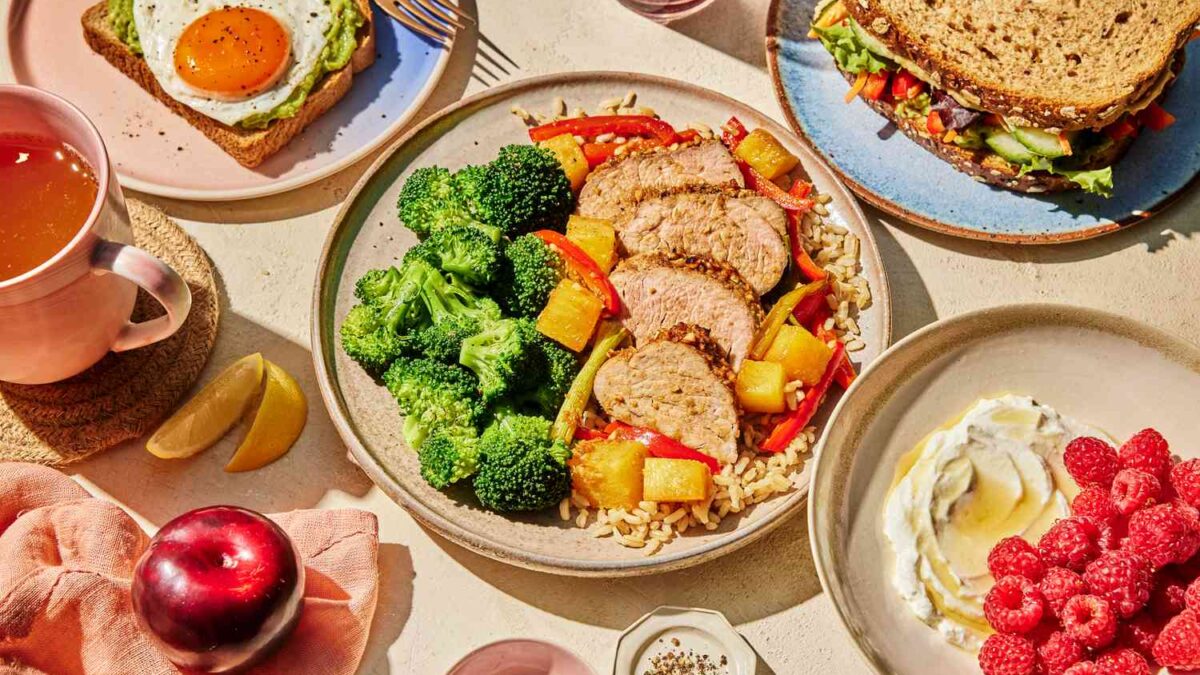
Opt for high-grade carbohydrates like whole grains, oats and brown rice over fine ones. Add sources of lean protein, such as eggs, lentils, paneer or chicken. Moderate amounts of healthy fats from nuts, seeds and oils like olive oil or mustard oil have also to be there in your meals.
Incorporating a rainbow of fruits and vegetables guarantees you are receiving vital vitamins, minerals and fiber that help with digestion and keep growling stomachs at bay.
Focus on Home-Cooked Meals
Cooking at home lets you control the ingredients and cooking methods. Home-cooked meals, unlike processed or restaurant foods, tend to have fewer unhealthy fats and sugars and additives.
Use simple cooking methods: steam, boil, grill or sauté with little oil. Steer clear of deep-fried foods and excessive sugar and salt. This will obviously help you stay on the healthy side and prevent eating whatever comes your way.
Stay Hydrated
Water is the most critical element in losing weight. It helps to speed up metabolism, cleanse the body from toxins, and minimizes unnecessary hunger. And, at times, the body mistakes hunger for thirst, resulting in overeating.”
If you’re not already, make it a habit to drink a glass of water before each meal. The target is at least 7–8 glasses per day, or more if exercising. Herbal teas or infused water can also be included for variation.
Avoid Crash Dieting
Most newbies make the mistake of crash dieting – heavily restricting caloric intake. And while this can result in quick weight loss, it is usually unhealthy, and not sustainable.
Fad diets may slow your metabolism, make you nutrient-deficient and promote muscle loss. Rather, concentrate on gradual weight loss through consistent and realistic changes in eating habits.
Healthy Snacking Habits
Snacking is not a bad thing if you do it correctly! In fact, healthy snacks prevent gorging at main meals. Opt for fruits, nuts, yogurt or roasted seeds instead of chips, biscuits or sugary snacks.
Stock your home with healthy snacks, so you won’t be tempted to reach for something unhealthy. If you are eating your snacks between meals, this can also help balance your energy levels.
Combine Diet with Lifestyle Changes
Diet is crucial, but small changes to lifestyle help. Aim to include light physical activities such as walking, yoga or workout at home.
Get enough sleep, because lack of it can alter hunger hormones and lead to weight gain. Stress management is also key, as emotional eating is a common pitfall for novices.
Conclusion
A well-balanced diet to lose weight at home does not mean starving yourself but rather choosing your food wisely. You can lose weight and still enjoy your favorite foods with portion control, eating the right food groups, staying hydrated and avoiding bad habits.
And just a reminder: your health over the long term is always better And we gain maturity by small consistent actions and not aiming for results at once. A balanced diet can help you lose weight and make your lifestyle good, but first of all have patience and discipline.
