
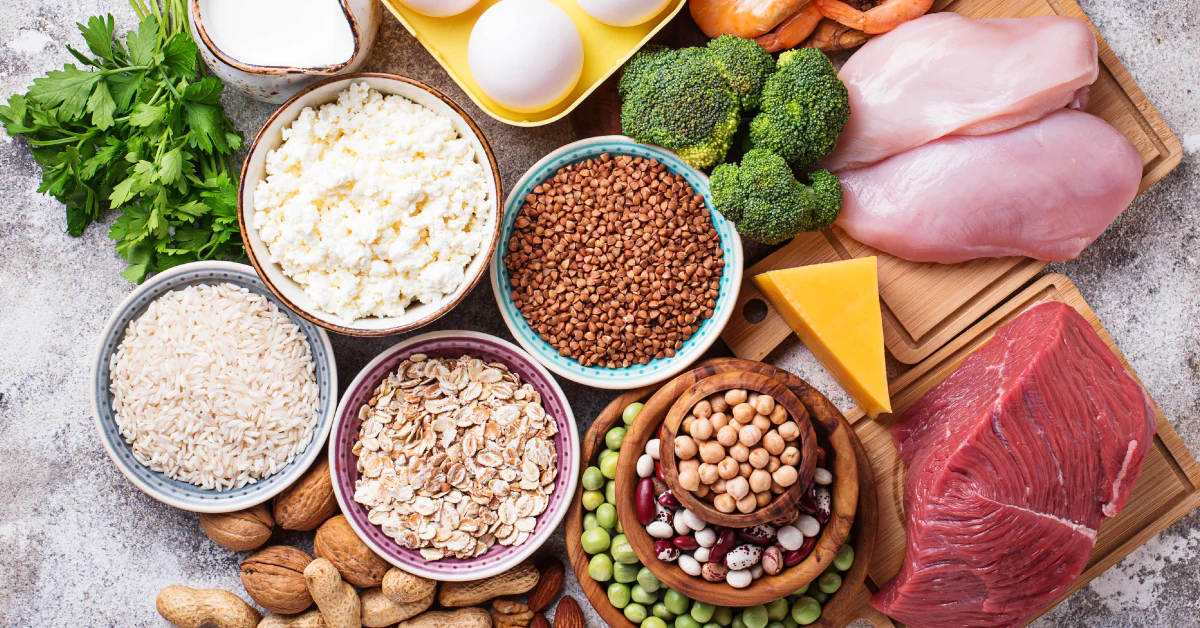
10 High-Protein Vegetarian Foods for Muscle Gain Without Supplements

It is 100 percent possible to build muscle on a vegetarian diet with no supplements. Make the right food choices and you can get your protein needs, promote recovery and lean muscle naturally. Vegetarian foods provide protein as well as fiber, vitamins and minerals that are essential for overall health. Here are ten great vegetarian foods that will help you build muscle:
Lentils (Dal)
Easily one of the most widely available plant-based protein sources, lentils are a staple in many Indian diets. One cup of cooked lentils contains approximately 18 grams of protein. They’re also high in iron and fiber, which aid in boosting energy levels and digestion. Adding pulses, like lentils, into your daily diet like dal and soups help repair and grow muscle.
Chickpeas (Chana)
Another protein native legume, chickpeas contain about 15 grams of protein per cup. They are multipurpose and fit right in curries or salads, even roasted for a snack. Similarly, chickpeas offer complex carbohydrates which help supply energy that is sustained while working out and recovering.
Paneer (Cottage Cheese)
Paneer is one of the best forms of dairy-based protein, providing about 18–20 grams of protein in every 100 grams. It’s also high in calcium, which helps support bone strength important when moving weights. Paneer can be added seamlessly to your meals in curries, wraps, grilled dishes etc.
Greek Yogurt (Hung Curd)
Greek yogurt is thicker than regular curd, and contains more protein about 10 grams per 100 grams. It also has gut-promoting probiotics, which indirectly aid in nutrient absorption and muscle recovery. It makes a nice breakfast or postworkout food.
Quinoa
Quinoa is a complete plant protein; it has all nine essential amino acids in addition to wonderful minerals like magnesium, potassium and iron. A serving of quinoa (1 cup cooked) contains about 8 grams of protein. It’s also high in magnesium and iron, both of which assist with muscle function and recovery. Quinoa could replace rice or be added to salads and bowls.
Tofu
Tofu is what you get by coagulating soy milk, and it packs a protein punch with approximately 10–15 grams per 100 grams. It’s a high-absorbency ingredient that takes on flavors beautifully, and works well in stir-fries, curries or grilled dishes alike. It’s low in fat, too, and helps build lean muscle.
Soybeans
Soybeans are one of the highest protein plant foods, delivering about 28 grams per cooked cup. They are also high in all the essential amino acids, which is perfect for muscle building. It can serve as boiled snack, in a curry or as soy chunks.
Peanuts and Peanut Butter
And peanuts have roughly 25–26 grams of protein per 100 grams, plus a substantial amount of healthy fats. Peanut butter is a pretty easy way to up your protein intake (try it in smoothies or spread on whole-grain bread). These healthy fats also offer additional calories, which are essential for muscle growth.
Almonds
Almonds, a nut serving as a nutrient-dense snack, are a perfect example here 100 grams contain around 21 g of protein. They’re also loaded with vitamin E and healthy fats, which aid recovery and reduce inflammation following workouts. Five almonds provide some protein if eaten each day.
Oats
That said, oats are high in carbohydrates, but also contain about 11–13 grams of protein per 100 gram serving. They are perfect for breakfast and can be made into a balanced, high-protein meal when combined with milk, nuts or yogurt that energizes workouts and builds muscles.
Conclusion
It is possible to gain muscle on vegetarian diet, only if one plan it well and execute consistently. Lentils, paneer, tofu and soybeans are good sources of protein, while nuts and whole grains offer additional nutrients and calories. The secret hit is to follow a balanced approach, getting sufficient calories & regular strength training. You can naturally build muscle with each of these high-protein vegetarian foods incorporated into your daily diet—without having to turn to potentially unsafe supplements.
