
How to Build a Healthy Indian Meal Plan for Busy Working Professionals

In our fast-paced everyday life, it becomes difficult for working professionals to maintain a healthy diet. Stress from long working hours, commuting and abnormal meal timing might result in unhealthy eating habits like avoiding meals or consumption of processed foods. But it doesn’t have to be complicated to build a healthy Indian meal plan. With the right approach, you can whip up nutritious, balanced and tasty meals without hours spent in front of a stove or hob.
The Fundamentals of a Balanced Indian Diet for Healthy Living
A good Indian meal plan must be made with a balance of carbs, protein, healthy fat vitamins in moderation. Traditional Indian diets provide a wide range of foods such as whole grains, lentils, vegetables, fruits, dairy and spices that are important sources of nutrients.
Sources of carbohydrates include roti, brown rice or millets such as jowar and bajra. Proteins help in muscle repair, and are present in dal, paneer, eggs, chicken or legumes. Healthy fats should be used sparingly, including nuts, seeds and oils like mustard oil or ghee. Eating seasonally ensures that your body is full of vitamins and antioxidants.
Planning Meals Ahead for Convenience
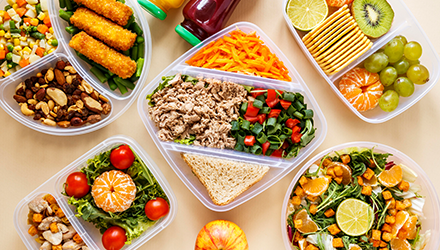
That’s where meal planning comes in the pic to stay consistent on healthy eating. Spend some time at the weekends planning your meals for that week. You can prepare ingredients beforehand, such as chopping vegetables, boiling lentils or kneading dough so that cooking becomes much quicker and easier during the weekdays.
Another useful tactic is batch cooking. You can make larger quantities of dishes like dal, sabzi or curry and store them in the fridge for 2–3 days. It cuts down on the need to cook from scratch every single day and helps you resist ordering unhealthy takeout.
Ideal Daily Meal Structure
A proper meal plan for the day keeps you energetic all day. Eat breakfast in the morning vegetable poha, oats upma or paratha with curd. Breakfast should be hearty and fiber- and protein-rich so you stay energized.
Snack between mid-morning can be fruits, coconut water or handful of nuts. Lunch should be a balanced meal including roti or rice, dal, one vegetable dish and a salad. Curd or buttermilk helps to digest the food faster.”
Healthy evening snack options: roasted chana, sprouts chaat, a cup of green tea with nuts. Dinner must be light and easily digestible in the form of khichdi, vegetable soup or roti with simple sabzi. Stay away from fried or greasy food at night.
Making Healthy Food Choices With a Busy Schedule
When time is of the essence, there’s little room to pick and choose: fast but healthy options for family meals are everything. Choose whole grains instead of refined ones, and eat homemade foods rather than packaged. Have healthy snacks available so you’re not grabbing junk food.
Include quick and easy recipes like paneer bhurji, egg curry or vegetable stir fry which can be made in under 30 minutes. They can each help you reduce your cooking time significantly while maintaining nutrients.
Maintaining hydration and controlling portion sizes
Hydration is often neglected issue but important for your health overall. Keep yourself hydrated by drinking adequate water (2–3 liters) daily. You can mix herbal teas, lemon water or coconut water with it for some variety.
A huge part of maintaining a healthy weight is portion control. Moderate eating would prevent digesting issues as well as weight gain since most of the late-night food are hard to digest. Strategies such as using smaller plates and practicing mindful eating can promote portion control.
Tips to Stay Consistent
The key to keeping up a healthy diet is consistency. Ideally start with baby steps rather than big changes. Instead, make small incremental lifestyle changes over time.
Don’t skip meals you may end up overeating later. Focus meals on simplicity and sustainability, not unnecessary restriction. Treating yourself to your favorite things is totally okay but it should definitely be an exception and not a rule.
Conclusion
A healthy Indian meal plan for busy working professionals. Planning, balance and smart choices is the key. With the right foods, prepping ahead and sticking to it you can have a healthy lifestyle without sacrificing taste or convenience. A well-tailored control of diet not only keeps us physically healthy but also increases productivity, improves energy levels and enhances overall health.
